The complexity of commercial systems stems from their size, operational hours, and the diverse zones they must manage simultaneously. While a residential unit might run eight to twelve hours daily, commercial systems often operate continuously, placing tremendous stress on components. Our maintenance protocols address these unique challenges through systematic inspections, predictive diagnostics, and proactive component replacement schedules that align with manufacturer specifications and industry best practices.
Essential Maintenance Tasks and Scheduling
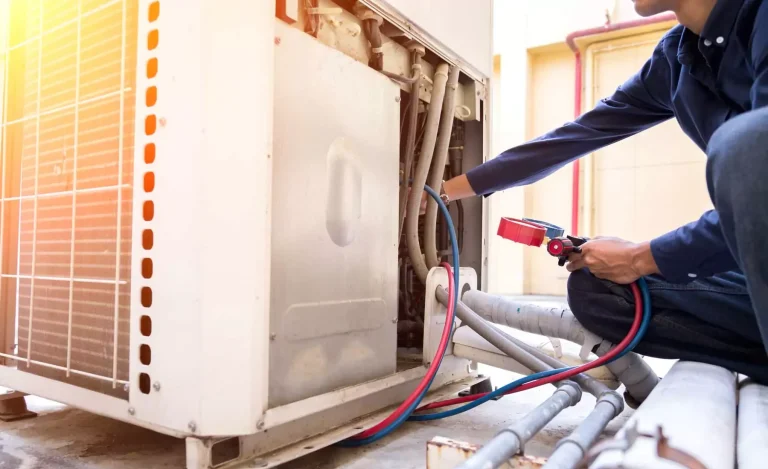
Regular commercial HVAC maintenance involves far more than simple filter changes, though filter management remains crucial for system efficiency and indoor air quality. We perform comprehensive coil cleaning, ensuring both evaporator and condenser coils transfer heat effectively, which can improve system efficiency by up to 30% according to Department of Energy studies. Refrigerant levels require constant monitoring, as even a 10% loss can increase operating costs by 20% while placing additional strain on compressors.
Our technicians inspect and calibrate all control systems, including thermostats, sensors, and building automation interfaces that coordinate multiple zones and equipment pieces. Belt tensions, motor bearings, and electrical connections all receive detailed attention during scheduled visits. We understand that finding solutions before problems escalate saves businesses thousands in emergency repairs and lost productivity. Our highly responsive team schedules maintenance during off-peak hours to minimize disruption to your operations, demonstrating our commitment that service is #1 for the company.
Cost Benefits of Our Service Contracts
Studies consistently show that preventive service reduces overall HVAC operating costs by 15-20% annually while extending equipment life by 30-50%. These savings come from multiple sources that we help businesses capture through our service contracts. Energy efficiency improvements alone can offset maintenance costs, as properly maintained systems use significantly less electricity and gas to achieve desired temperatures.
- Reduced Emergency Repairs: Regular maintenance identifies wear patterns and component degradation before failure occurs
- Lower Utility Bills: Clean coils, proper refrigerant charges, and calibrated controls optimize energy consumption
- Extended Equipment Life: Consistent care prevents premature wear that forces early replacement
The indirect savings prove equally valuable when considering lost business during system failures, employee sick days from poor air quality, and damage to inventory or equipment from temperature fluctuations. We really like to communicate and build relationships with our clients to understand their specific operational needs and customize maintenance schedules accordingly.
Seasonal Preparation and System Optimization
Commercial HVAC systems face distinct challenges as seasons change, requiring targeted preparation to handle temperature extremes efficiently. Spring maintenance focuses on cooling system readiness, including condenser cleaning, refrigerant system checks, and cooling tower preparation for facilities using water-cooled systems. We verify all dampers operate correctly, ensuring proper economizer function that can provide free cooling during mild weather conditions.
Fall preparation emphasizes heating components, including heat exchanger inspections, burner adjustments, and safety control verification. Boiler systems receive specialized attention, with water treatment analysis and combustion efficiency testing that ensures safe, economical operation throughout winter months. Our expertise with both American Standard and Lennox commercial equipment, combined with experience servicing most makes and models, positions us to optimize any system configuration.
Indoor Air Quality and Compliance Standards
Commercial facilities must maintain specific indoor air quality standards to meet health regulations and provide comfortable environments for occupants. Regular maintenance directly impacts air quality through filter management, duct cleaning, and humidity control optimization. Modern commercial buildings often require MERV 13 or higher filtration to capture smaller particles, including viruses and bacteria, making filter selection and replacement scheduling critical considerations.
Ventilation rates must meet ASHRAE standards, which specify minimum outdoor air requirements based on occupancy and space usage. Our maintenance programs include ventilation effectiveness testing and adjustments to ensure compliance while minimizing energy waste. We always find a solution to balance air quality requirements with operational efficiency, helping businesses maintain healthy environments without excessive utility costs. The right service at the right time means understanding both immediate needs and long-term air quality goals, then implementing maintenance strategies that achieve both objectives effectively.