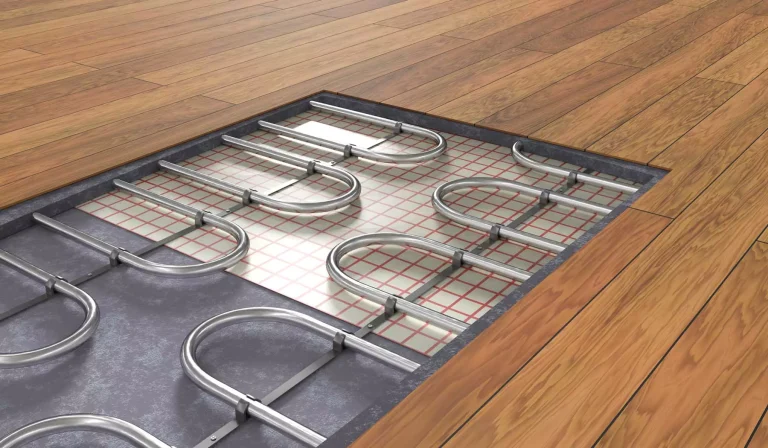
The technology behind radiant floor heating involves either electric resistance cables or hydronic tubing installed beneath the flooring surface. Hydronic systems, which circulate heated water through specialized PEX tubing, have become increasingly popular due to their exceptional energy efficiency and ability to heat large areas cost-effectively. Electric systems, while typically reserved for smaller spaces like bathrooms or kitchens, offer simpler installation and precise temperature control. Our experienced technicians at PHI Heat & Air have been installing both types since 2010, ensuring each system delivers optimal performance and the comfort our clients deserve.
Installation Process and Technical Specifications
Installing radiant floor heating requires careful planning and precise execution, which is why working with experienced mechanical contractors like our team makes all the difference. The installation process begins with a thorough assessment of your home’s structure, insulation levels, and flooring materials. We determine the appropriate heat load calculations, typically ranging from 25 to 35 BTUs per square foot for most residential applications in North Texas. These calculations factor in ceiling height, window placement, and exterior wall exposure to ensure your system provides adequate heating capacity without excessive energy consumption.
For hydronic systems, we install a network of PEX tubing in loops spaced typically 6 to 12 inches apart, depending on the heat output requirements. The tubing connects to a manifold system that distributes heated water from a boiler or water heater specifically designed for radiant applications. Modern systems incorporate sophisticated controls including outdoor reset controllers that adjust water temperature based on exterior conditions, maximizing efficiency. Electric systems utilize resistance cables rated at 10 to 12 watts per square foot, embedded in thin-set mortar or specialized mats. Both systems require proper insulation beneath the heating elements to direct heat upward rather than losing it to the subfloor below.
Benefits and Energy Efficiency Advantages
The energy efficiency of radiant floor heating systems typically exceeds traditional forced-air systems by 20 to 40 percent, according to industry studies. This remarkable efficiency stems from several factors that we always explain to our clients during consultations. First, radiant systems operate at lower temperatures while maintaining superior comfort levels. Water in hydronic systems typically circulates at 85 to 140 degrees Fahrenheit, compared to the 140 to 180 degrees required for baseboard radiators. This lower operating temperature reduces heat loss through pipes and improves boiler efficiency dramatically.
Additionally, radiant floor heating eliminates duct losses that plague forced-air systems, where up to 30 percent of heating energy can escape through leaky or poorly insulated ductwork. The even heat distribution also allows homeowners to maintain lower thermostat settings while feeling more comfortable, as the warm floors create a sensation of warmth even at lower ambient temperatures. Our commitment to finding solutions for every client means we carefully analyze each home’s unique characteristics to maximize these efficiency benefits.
Applications and Compatibility Considerations
Radiant floor heating works exceptionally well with various flooring materials, though some conduct heat more effectively than others. Our team’s expertise helps clients understand how different materials affect system performance:
- Tile and stone flooring: Excellent thermal conductivity makes these ideal choices for radiant heating
- Engineered wood and laminate: Compatible when properly installed with appropriate temperature limits
- Carpet and pad combinations: Possible with low thermal resistance ratings below R-2.5
We’ve installed radiant systems in diverse applications throughout Gainesville, Lindsay, Whitesboro, Valley View, & Muenster, TX, from complete whole-house installations to targeted comfort zones in master bathrooms, sunrooms, and basement renovations. Each application requires specific design considerations, and our highly responsive team ensures every detail receives proper attention. Whether retrofitting an existing home or incorporating radiant heating into new construction, we provide the right service at the right time, backed by our comprehensive 10-year warranty on parts and labor for residential installations.
The growing popularity of radiant floor heating reflects broader industry trends toward energy-efficient, comfortable heating solutions. Market research indicates continued growth in radiant heating adoption, particularly in custom homes and high-end renovations where comfort and efficiency take priority. At PHI Heat & Air, we stay current with these developments through continuous training, ensuring our clients receive the most advanced, reliable radiant heating solutions available. Our relationship-focused approach means we’ll guide you through every decision, from system selection through long-term maintenance, delivering the exceptional service experience that defines our company.